🎵 Audio guide
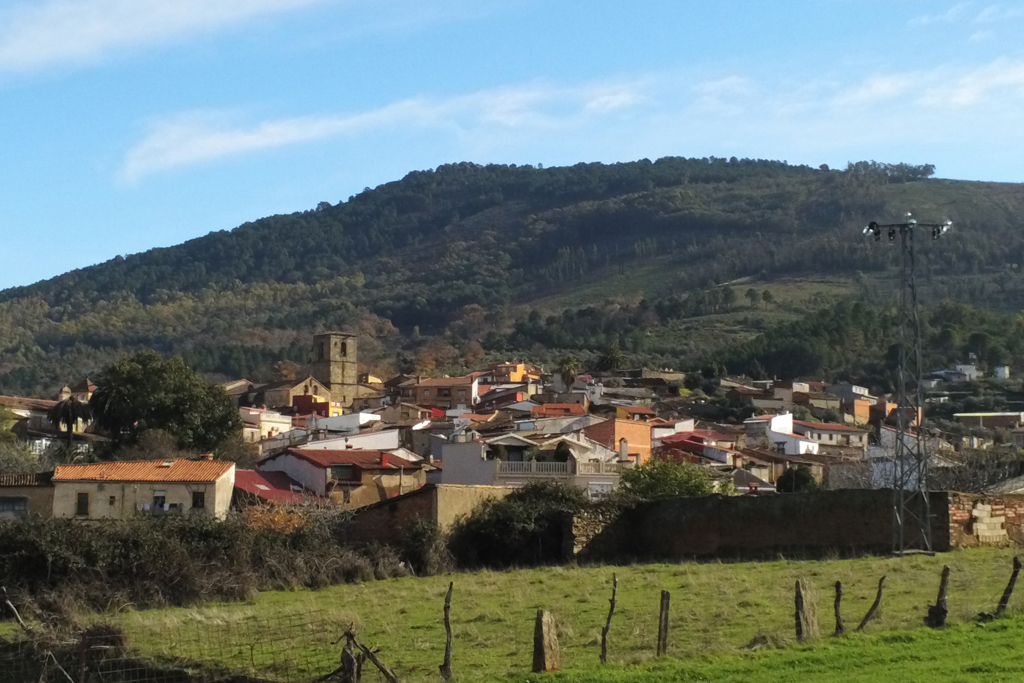
Villanueva de la Sierra, located at the eastern end of the Sierra de Gata, is situated at the foot of the Sierra de Dios Padre. Its north-easterly orientation means it has marvellous views of the whole Sierra de Gata region, dominated by the River Tralgas valley.
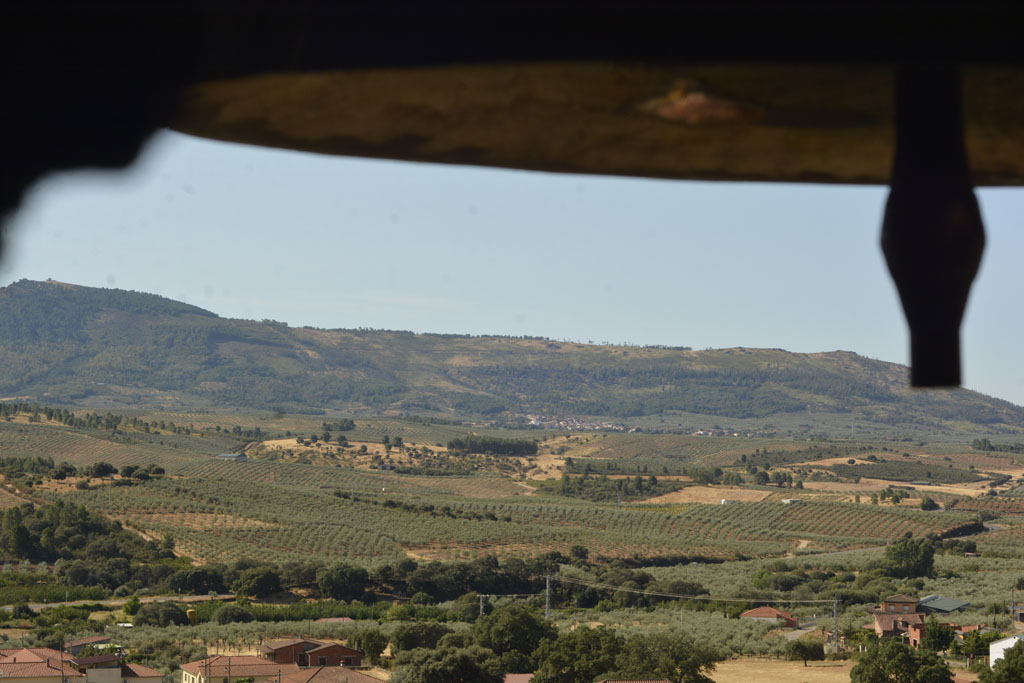
The village is at the crossroads of the road that links the Valle del Alagón and Las Hurdes regions and the road which leaves the Sierra de Gata, continuing into the Trasierra-Granadilla region.
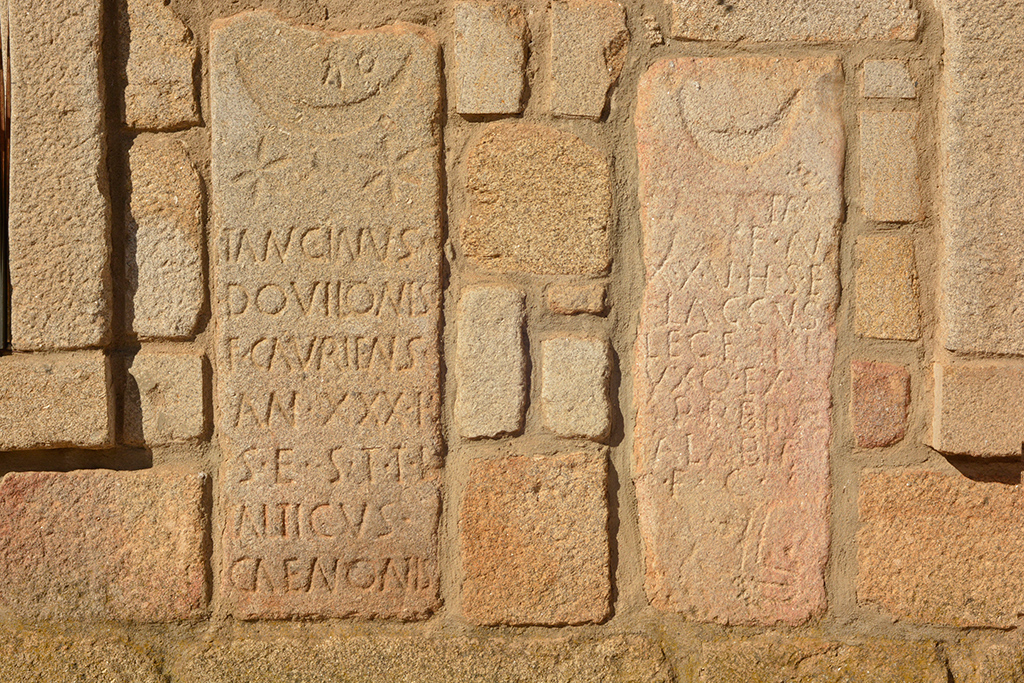
These lands have been inhabited since ancient times, proof of which can be seen in the Roman tombs found in the surrounding area. At the time of its incorporation into the Kingdom of León, it was known as Villanueva del Obispo (meaning Newtown of the Bishop) as at that time it was the summer residence and site of the chamber of the Bishop of Coria. Originally belonging to the Order of Alcántara, it was later transferred to the Conde de Encinas estate
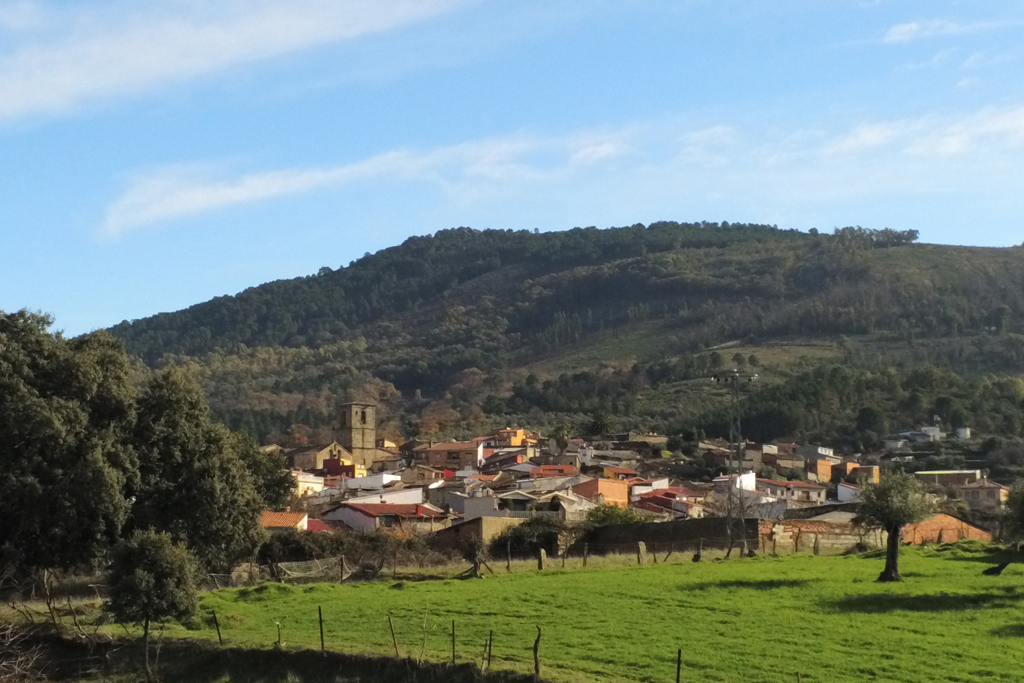
The location of the original hamlet can easily be distinguished, at the top of the village on a small hill, bound by the site of the old castle, which is now the cemetery. The layout of this area is that of a typical medieval town – narrow streets radiating out from the focal point of the church. Over time, however, Villanueva has undergone an expansion downhill towards the crossroads of the old trails, leaving behind the original street-plan in favour of two wide, interconnected streets. In this area we can find the Plaza de España, a large, open, rectangular village square. The village has many large houses which were formerly owned by aristocratic families whose coats of arms, carved in stone, are the proof of their presence in the past.
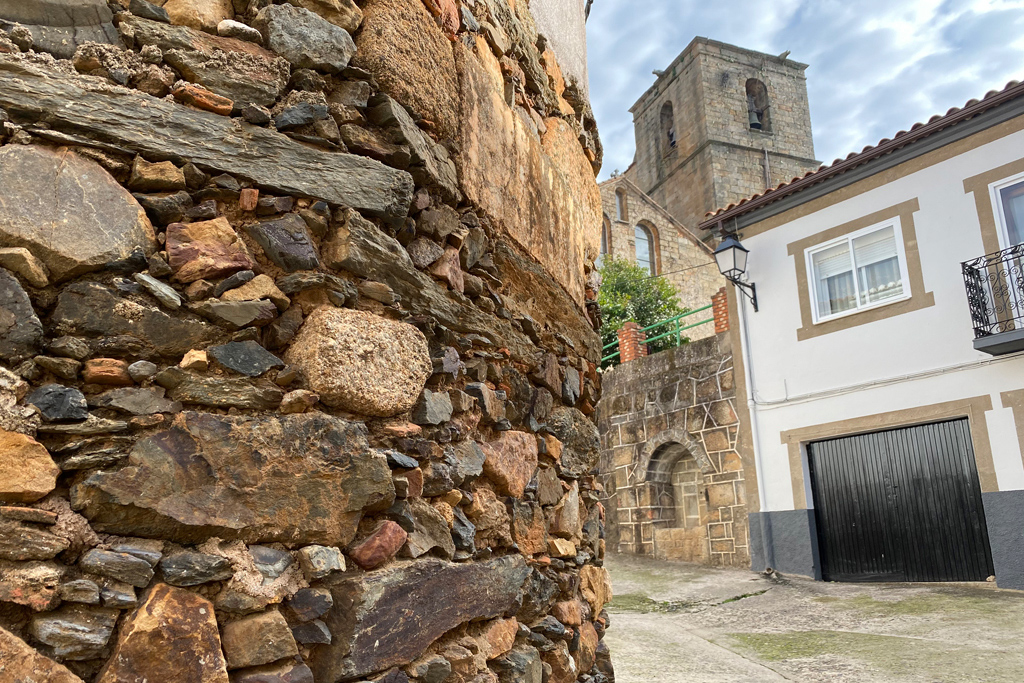
Villanueva is a village for the curious traveller, where a walk through its streets reveals beautiful alleyways and whose architecture has been influenced by that of Las Hurdes, with its slate constructions, but which also incorporates the Valle del Alagón style of stucco building. There are impressive drinking-water fountains such as the fuente del palacio and we can also enjoy stunning views of the Sierra de Gata. For more adventurous visitors, it offers a climb up the Sierra de Dios Padre from where there are incredible views, taking in more than 80 villages. A more tranquil walk passes through the wooded pasture of El Carrascal, a good example of Mediterranean forest.
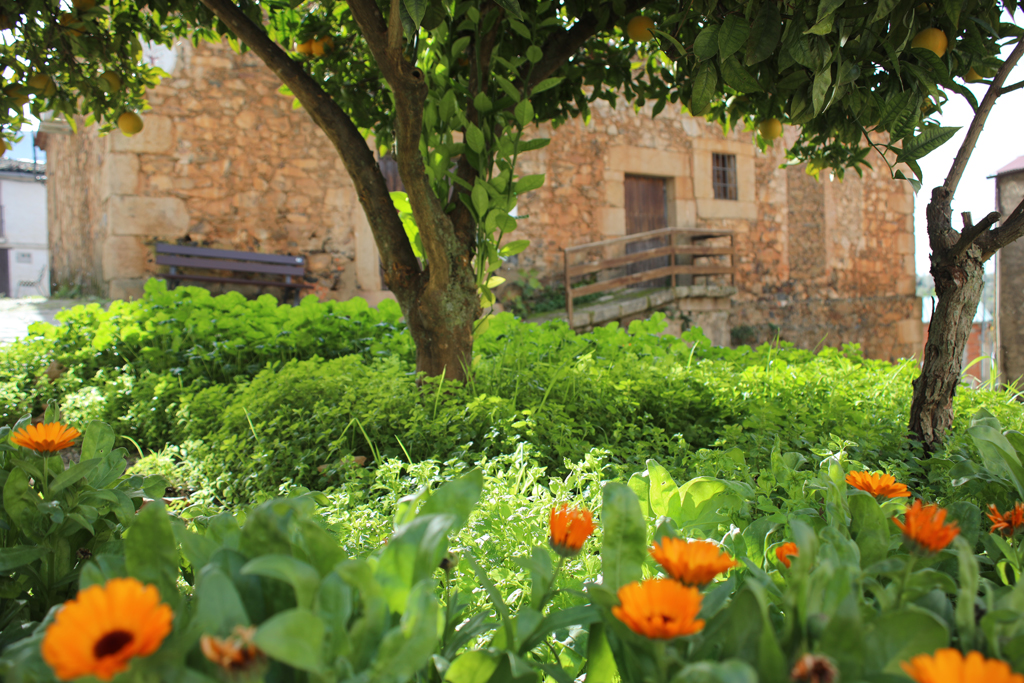
Some of the other attractions of Villanueva include the church, the granary, its fountains and the Pilas de Bardal (a series of stone troughs). The magnificent magnolia tree which reaches the height of 27m is legally protected as a listed tree and not forgetting the stone constructions including huts, pigpens and olive mills. All this in delightful surroundings, with the green of the hills, the streams, the River Tralgas and its stretches of riverside forest, the many smallholdings and orchards, all of which can be found in the sea of olive trees that is the Tralgas valley.
Special mention must be made of the Fiesta del Árbol, the Tree Fair, recognised as an event of important cultural heritage. It first took place in 1805 and is thought to be the longest-running celebration of its kind in the world.